
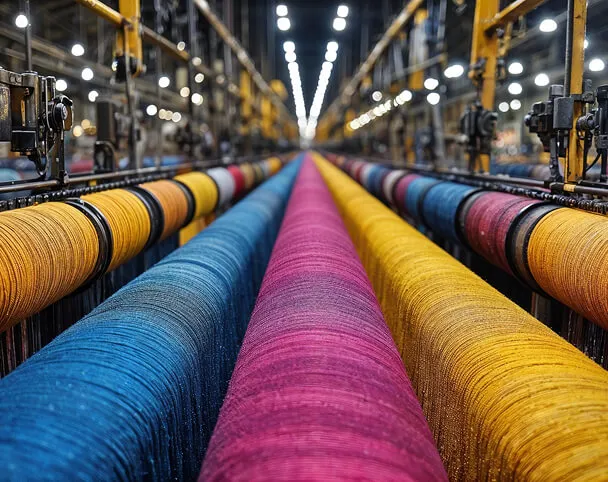
The global textile supply chain is a complex network that connects raw material suppliers, manufacturers, distributors, and end users across continents. As demand for quality fabrics and sewing threads grows, the industry faces both significant challenges and new opportunities driven by innovation, efficiency, and collaboration.
One of the major challenges in the textile supply chain is maintaining consistency in quality while managing fluctuating raw material prices and logistics disruptions. Delays in transportation, shortages of skilled labor, and changing trade regulations can impact production schedules and delivery timelines.
Despite these challenges, modern supply chains are becoming more resilient through digital tracking, improved sourcing strategies, and stronger supplier partnerships. Technology plays a key role in enhancing visibility and efficiency across every stage of the textile journey.
Opportunities within the global textile supply chain continue to expand as manufacturers adopt automation, sustainable practices, and data-driven decision making. Efficient inventory management and reliable sourcing of sewing threads help businesses meet global demand while maintaining product standards.
Building a Stronger Textile Supply Network
Companies that focus on transparency, long-term partnerships, and quality assurance are better positioned to overcome supply chain disruptions. Reliable suppliers and consistent production processes help ensure uninterrupted delivery of textiles and sewing materials to global markets.
- Global sourcing helps diversify raw material availability and reduce risk.
- Digital supply chain tools improve tracking, forecasting, and efficiency.
- Automation supports faster production and consistent quality.
- Sustainable practices strengthen long-term supply chain stability.
- Strong supplier relationships ensure reliability and timely delivery.
The future of the textile supply chain lies in adaptability and innovation. By addressing challenges with smart strategies and embracing new opportunities, the industry can build resilient networks that support quality production, timely delivery, and sustainable growth worldwide.